

Best Time to Spay a Dog Between Heat Cycles
In the past, most dogs were spayed before their first heat cycle to prevent mammary tumors (breast cancer) later in life. More recently, some owners are postponing the procedure and requesting advice on when to spay between heat cycles. The timing really does matter.
What Happens When My Dog Is in Heat?
The first physical sign of heat is swelling of the vulva. This lasts 3-4 weeks. About a week after the swelling starts, most dogs will have vaginal bleeding that lasts 7–10 days. Some dogs do not bleed at all during heat cycles — this is called a silent heat. While in heat, male dogs are strongly attracted to females, and this is when breeding occurs.
Even after the physical changes of a heat cycle resolve, hormonal changes continue for 8–10 weeks after the bleeding stops. There is generally no physical sign that hormone levels remain elevated but this is an important factor in timing a spay surgery.
When Do Heat Cycles Occur?
Every dog is an individual, but generally speaking, most have their first heat between 6 and 12 months of age and then cycle approximately every 6 months for the remainder of their lives. A dog is sexually mature — meaning she can become pregnant — at the time of her very first heat cycle.
My Dog Has Been in Heat. When Should I Schedule Her Spay?
Some clients are unable to prevent all contact with sexually intact male dogs. Many have a male littermate in the house; others do not have fenced yards. In these cases, we recommend surgery as soon as possible to prevent pregnancy.
In cases where contact with intact males can be avoided, we recommend waiting 4 months after the bleeding stops before scheduling a spay. This helps prevent false pregnancy and allows for an easier surgery.
What Is a False Pregnancy and What Causes It?
Dogs in heat have elevated hormone levels from the time the vulva swells until 8–10 weeks after the bleeding stops. If she does not become pregnant, these levels drop gradually on their own. In an actual pregnancy, they drop rapidly. A spay causes a similarly rapid hormonal decline — one that can fool the body into thinking it is pregnant.
A false pregnancy can happen at any time, but the risk is greatest when a dog is spayed while actively in heat or in the weeks that follow. Dogs experiencing a false pregnancy often show behavioral changes ranging from carrying toys and nesting to guarding behavior. Though uncommon, some become aggressive. They can also develop swollen mammary glands and produce milk. Without medication to resolve it, a false pregnancy typically lasts around 2 months.
Conventional wisdom has been to wait 3 months after the bleeding stops before spaying. However, we have noted that quite a few dogs spayed at or near the three-month mark still have uterine changes present at the time of surgery. For this reason, we recommend a 4-month wait.
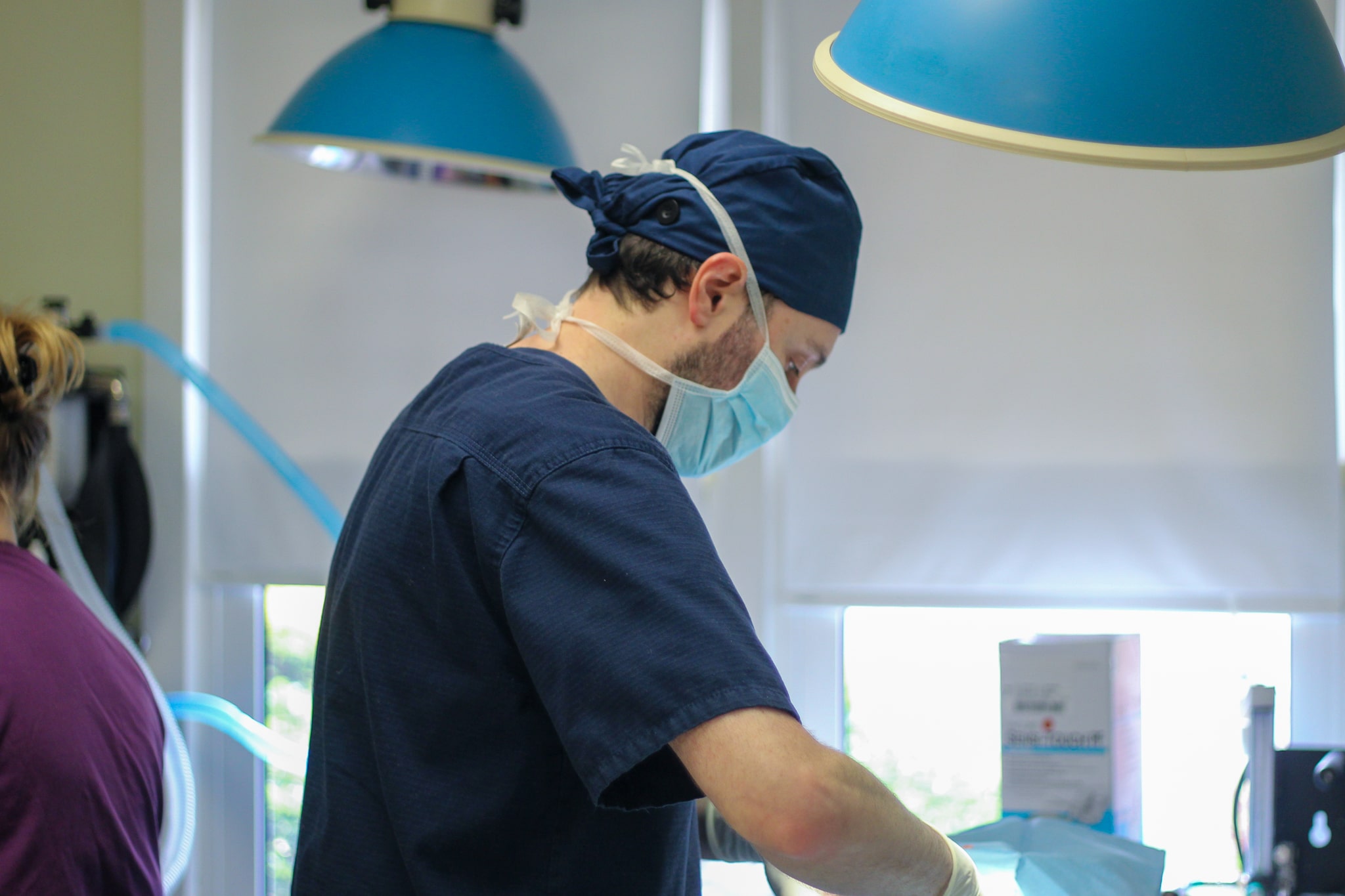
Is Surgery During Heat More Difficult?
While a dog is in heat, the uterus is larger and has an increased blood supply, which makes the procedure a bit more involved. In experienced hands, the surgical risk is not significantly greater than at other times — spay/neuter surgeons working in shelters perform this procedure during active heat on a regular basis. That said, when timing allows, waiting until hormones have settled makes for a smoother recovery all around.
Will a Spay Stop the Bleeding?
A spay will prevent all future heat cycles, but it will not immediately stop bleeding from an active heat. It also will not immediately stop a dog’s interest in being bred. Dogs spayed while in heat should be kept away from intact males during the healing period — approximately 10 days.
The Bottom Line for Spaying Mature Dogs
If you choose to wait to have your dog spayed, the best time for the procedure is 4 months after the bleeding from any given heat cycle ends. If you have questions about your dog’s specific situation before scheduling a surgery with us, please reach out by phone or email – we’re always happy to help.